
Constipation Awareness Month 2025 is definitely the time and place to bring up the problem that most people keep to themselves and that is freezing season in their lives. As it gets colder outside, digestive problems escalate, and constipation in winter is a problem that is increasing at a rate that we hardly realise. Less food fiber consumption, less water drinking, and less sports activity are all factors which slow down metabolism during cold days.
By figuring out which winter foods are causing you stomach problems, you can also safeguard your digestive health by making better food choices.
Why Constipation Gets Worse in Winter
In cold weather, we tend to desire warm, heavy, and comforting foods. Although these foods are gratifying, most of them tend to slow down bowel movements. If this is combined with less sweating and lower thirst levels, then dehydration will become quite common, thus, constipation in winter will become even worse. Less exposure to the sun and lack of physical activity also have an influence on gut motility.
Identifying these factors supports the performance of constipation awareness month 2025, which is aimed at helping to prevent digestive discomfort that lasts for a long time.
Winter Foods That May Slow Digestion
Some popular winter foods are surprisingly tough on digestion when eaten frequently or in excess:
- Refined grains like white bread and maida-based snacks lack fibre and contribute to harder stools
- Cheese and full-fat dairy can slow digestion and increase bloating
- Red meat takes longer to digest and may worsen constipation in winter
- Fried and oily foods reduce bowel movement efficiency
- Excess tea and coffee increase dehydration, making stools harder
While these foods are not harmful in moderation, overconsumption during winter is a key reason why constipation in winter becomes persistent for many individuals.
Simple Dietary Fixes for Winter Constipation
Small changes can make a big difference:
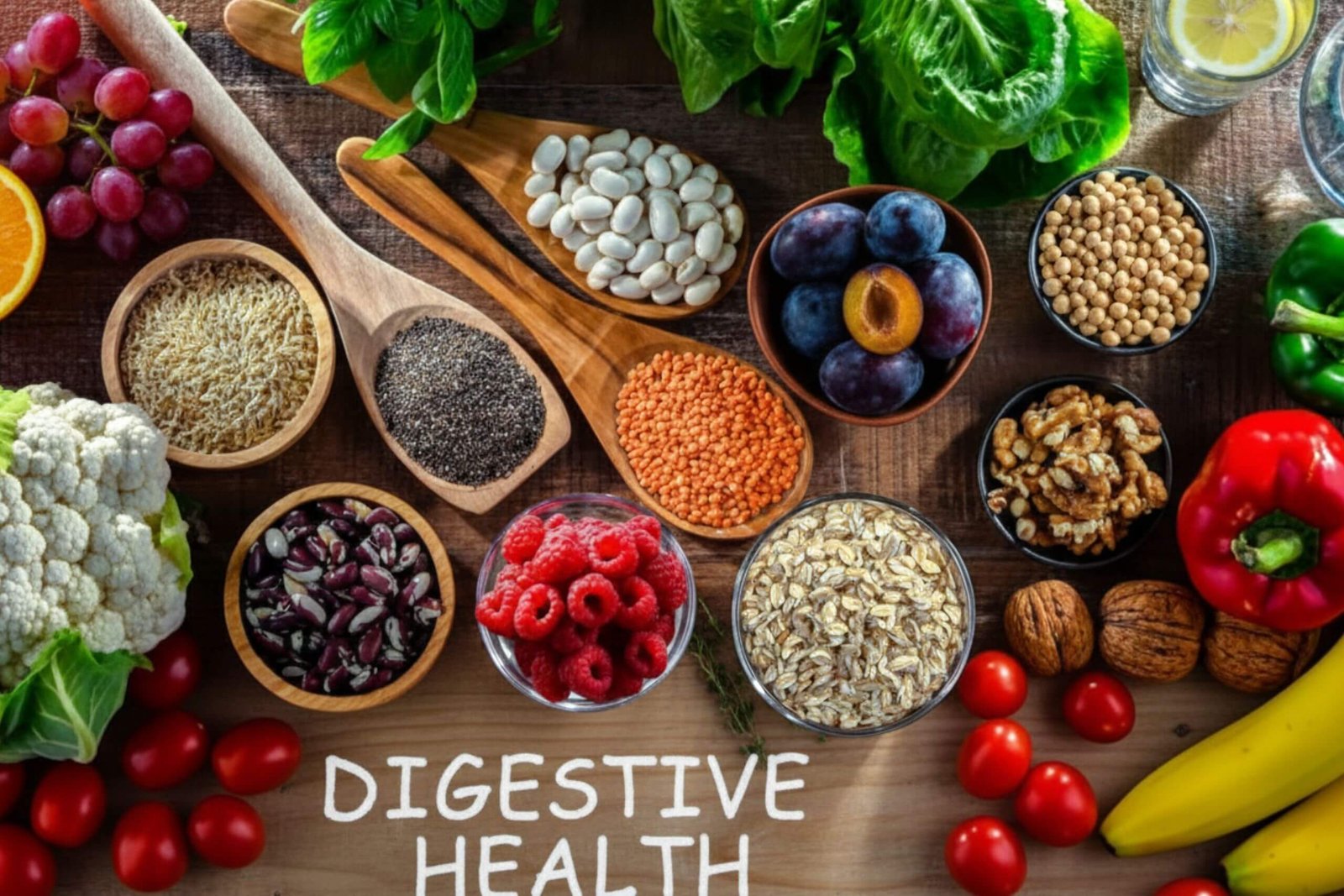
- Add fibre-rich foods like oats, fruits, vegetables, and soaked nuts
- Drink warm water throughout the day
- Include healthy fats like ghee in moderation
- Stay physically active, even indoors
These habits support smoother digestion and help manage constipation in winter naturally.
When to Seek Medical Help
If constipation lasts more than a few weeks or is associated with pain, bloating, or acidity, it may indicate underlying digestive issues. Consulting a trusted Gastrology Hospital in Vadodara ensures timely diagnosis and effective treatment.
Persistent constipation can sometimes be linked to gastric inflammation or acid-related disorders. In such cases, specialised Gastritis Treatment in Vadodara may be recommended by experts after proper evaluation.
Trusted Digestive Care in Vadodara
It is very important to select the right gastrology hospital in Vadodara to get proper diagnosis and maintain digestive health in the long-run. A well-known gastrology hospital in Vadodara will provide you with advanced investigations, dietary guidance as well as personalised treatment plans.
In the case that constipation is happening again with acidity or some kind of stomach discomfort, a professional-led gastritis treatment in Vadodara will be instrumental in giving you the real cause instead of providing you with only the symptoms. Many patients take a lot of advantages from the best gastrology hospital in Vadodara to receive their treatments in the early stages, particularly when they have a flare-up of digestive issues due to the change of season.
Conclusion
This constipation awareness month 2025, a little more attention to your food habits during the cold season can really help in preventing digestive discomfort. Mindful eating, water intake, and consulting the doctor without delay are the main factors that would result in an effective management of constipation in winter. Desai Surgical provides the perfect combination of expert care, state-of-the-art diagnostics, and compassionate treatment to cater to your digestive health needs all year round.