
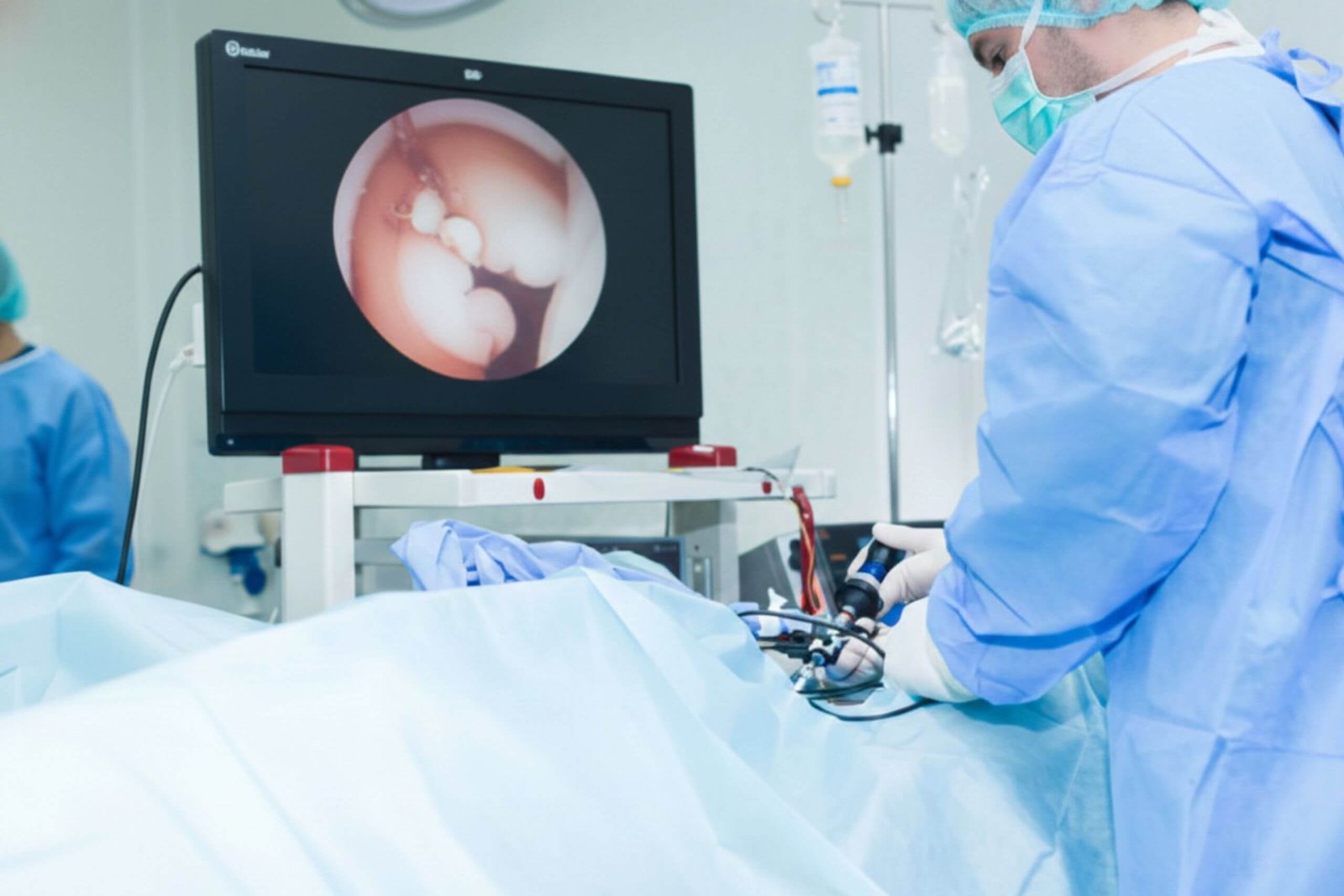
Conditions related to urinary stone diseases are also becoming more common as a result of lifestyle changes in the era of modern medicine. Dehydration and improper eating habits are considered the primary factors of such diseases, but science has advanced to the point where treatment through surgery and laser processes has become possible.
Understanding Stone Formation and Who is at Risk
Stone formation can occur in all age groups, but nowadays, Physicians have noticed an increase in the incidence of ureteral stones in young adults because of irregular eating habits, low fluid intake, and stressful lives. Early intervention and appropriate management are critical in preventing chronic complications of stone formation.
Traditional Methods of Stone Removal
Conventional stone extraction procedures are open surgery and mechanical extraction. Even though these methods are successful, they entail larger incisions, longer stays in the Hospital, more discomfort, and a high susceptibility to infections. Patients in these cases are also prone to increased ureteric stone removal risks, such as Bleeding, Scarring, and Prolonged Recovery Time.
All these issues are driving modern medicine to explore the use of minimalist technologies.
Laser Treatment with Ureteroscopy
Laser-based procedures have transformed stone management. Ureteroscopy for ureteric stones is now considered one of the safest and most precise methods available. During this procedure, a thin scope is inserted through the urinary tract, allowing surgeons to locate the stone and fragment it using laser energy.
The growing preference for ureteroscopy for ureteric stones is due to its high success rate, minimal tissue damage, and faster recovery.
Comparing Safety and Effectiveness
When comparing both approaches, laser procedures significantly reduce ureteric stone removal risks. Patients experience less pain, fewer complications, and shorter hospital stays. Ureteroscopy treatment for stones also allows surgeons to treat stones of varying sizes and locations with exceptional accuracy.
Traditional surgery, on the other hand, carries higher ureteric stone removal risks, especially in complex cases involving infection or obstruction.
Role of Specialist Hospitals
Choosing the right facility is essential for successful outcomes. A well-equipped Gastrology Hospital in Vadodara provides advanced diagnostic tools and specialised care that support modern laser treatments. Patients treated at a reputable Gastrology Hospital in Vadodara benefit from experienced surgeons and comprehensive post-procedure monitoring.
Many patients referred to a leading Gastrology Hospital in Vadodara today are recommended laser-based ureteroscopy for ureteric stones due to its superior safety profile.
Why Laser Treatment Is Becoming the Preferred Choice
With continuous advancements in technology, ureteroscopy treatment for stones has become the gold standard for ureteric stone management. Its ability to minimise ureteric stone removal risks while delivering precise stone clearance makes it the preferred option for both doctors and patients.
Repeated clinical studies confirm that ureteroscopy for ureteric stones achieves excellent results with fewer complications compared to traditional surgery.
Conclusion
While traditional methods remain effective in selected cases, modern laser procedures offer safer, faster, and more comfortable treatment for stone removal. Ureteroscopy for ureteric stones and advanced ureteroscopy treatment for stones significantly lower ureteric stone removal risks and improve overall patient recovery. With expert medical guidance and the advanced facilities available at a trusted Gastrology Hospital in Vadodara, patients can confidently choose the most advanced solution for long-term stone management. At Desai Surgical, patient care is delivered with precision, experience, and a commitment to safe, effective outcomes, ensuring complete recovery and lasting urinary health.