
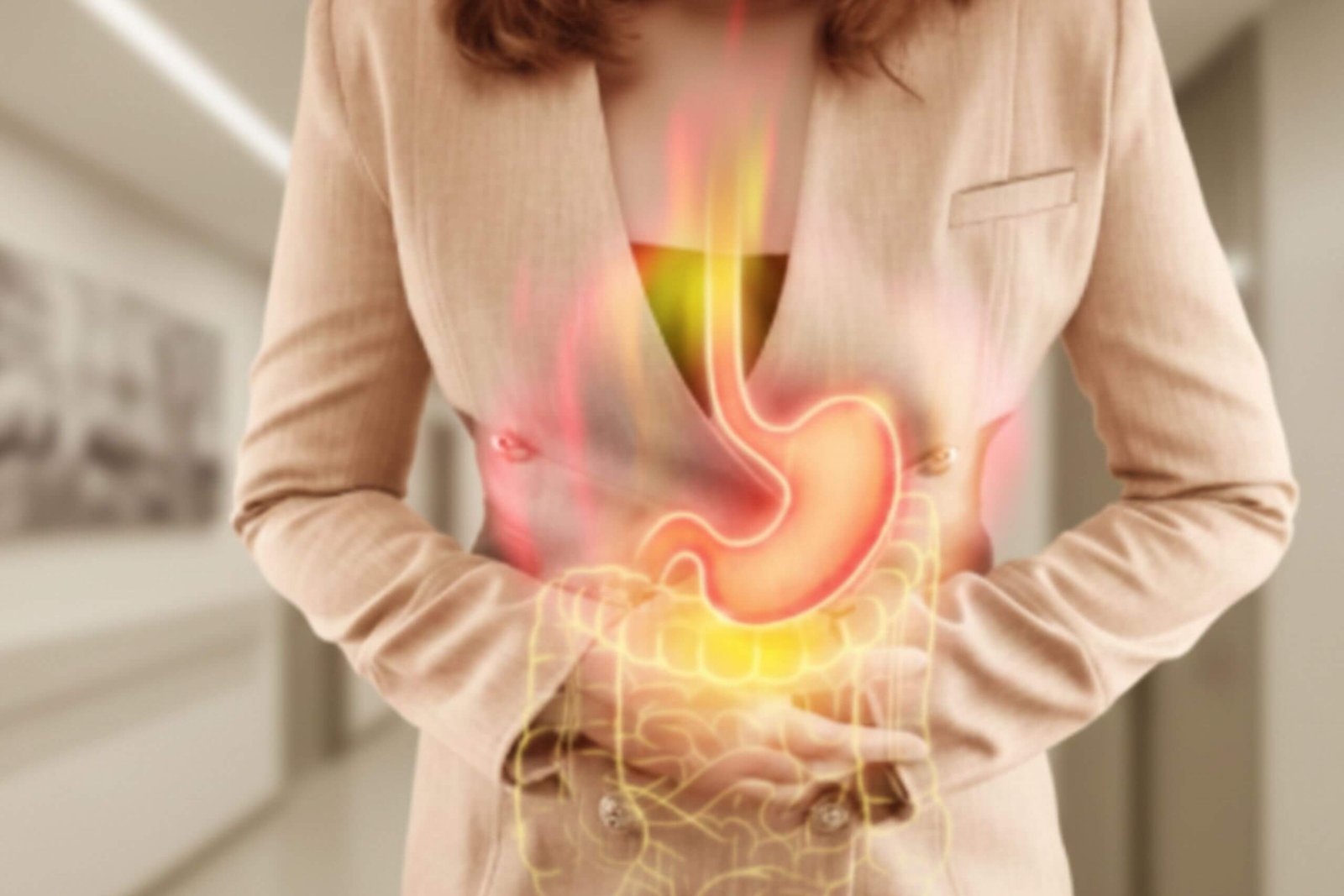
Gastroesophageal reflux disease (GERD) is a chronic digestive health issue that plagues approximately millions of people around the world. Even though medications help deal with this particular problem, some of its most influential factors can actually be found and controlled through a host of daily activities. This makes it more convenient for individuals to contribute towards GERD recovery through professional gastroesophageal reflux treatment.
Understanding GERD and Acid Reflux
GERD is characterized by the intermittent regurgitation of the stomach contents in relation to the oesophagus lining. As a result, heartburn, regurgitation, chest pain, and swallowing problems are experienced. In addition to this complication, it may progress to the intensive stage for chronic acid reflux treatment.
How Lifestyle Choices Worsen Symptoms
Several daily habits directly trigger acid reflux and interfere with GERD treatment and overall digestive health.
- Unhealthy eating patterns
Large meals, spicy foods, fried items, citrus fruits, chocolate, caffeine and carbonated drinks can aggravate reflux. Poor dietary choices often increase the need for gastroesophageal reflux treatment and more aggressive chronic acid reflux treatment. - Irregular meal timings
Eating late at night or lying down immediately after meals weakens the lower oesophageal sphincter, making reflux more frequent and severe. - Excess weight
Abdominal fat increases pressure on the stomach, forcing acid upward. Weight management is a vital component of successful gastroesophageal reflux treatment. - Smoking and alcohol
Both weaken the valve between the stomach and oesophagus, worsening symptoms and complicating GERD treatment plans. - Chronic stress
Stress alters digestion and increases acid production, often requiring additional chronic acid reflux treatment interventions.
Lifestyle Changes That Improve GERD Control
Effective symptom management requires a balanced approach combining medication with lifestyle improvements:
- Eat smaller, more frequent meals
- Avoid trigger foods and beverages
- Maintain healthy body weight
- Elevate the head while sleeping
- Avoid lying down for at least two hours after eating
- Practise stress management techniques
- Quit smoking and limit alcohol intake
These measures strengthen the results of ongoing gastroesophageal reflux treatment and reduce dependence on medication over time.
Medical Care and When to Seek Help
Persistent reflux symptoms should never be ignored. Patients experiencing chronic discomfort often consult a specialised gastrology hospital in Vadodara for comprehensive evaluation. Advanced testing and personalised chronic acid reflux treatment programmes offered at a trusted gastrology hospital in Vadodara help identify underlying causes and prevent complications.
Medical professionals may prescribe medications, recommend dietary therapy, or consider advanced procedures as part of a complete GERD treatment strategy. Individuals with long-standing symptoms benefit greatly from ongoing care at a modern gastrology hospital in Vadodara, where multidisciplinary teams support sustained digestive health.
Preventing Long-Term Complications
Untreated GERD can lead to oesophagitis, ulcers, strictures and Barrett’s oesophagus, increasing cancer risk. Early intervention through professional gastroesophageal reflux treatment and appropriate chronic acid reflux treatment significantly reduces the chances of such complications.
Conclusion
GERD is more than an occasional discomfort; it is a chronic condition that demands long-term care and mindful living. By adopting healthier habits, seeking timely medical support and following a structured GERD treatment plan supported by modern gastroesophageal reflux treatment, patients can achieve lasting symptom relief and improved quality of life. At Desai Surgical, experienced specialists and advanced medical facilities ensure comprehensive digestive care tailored to each patient’s needs.