
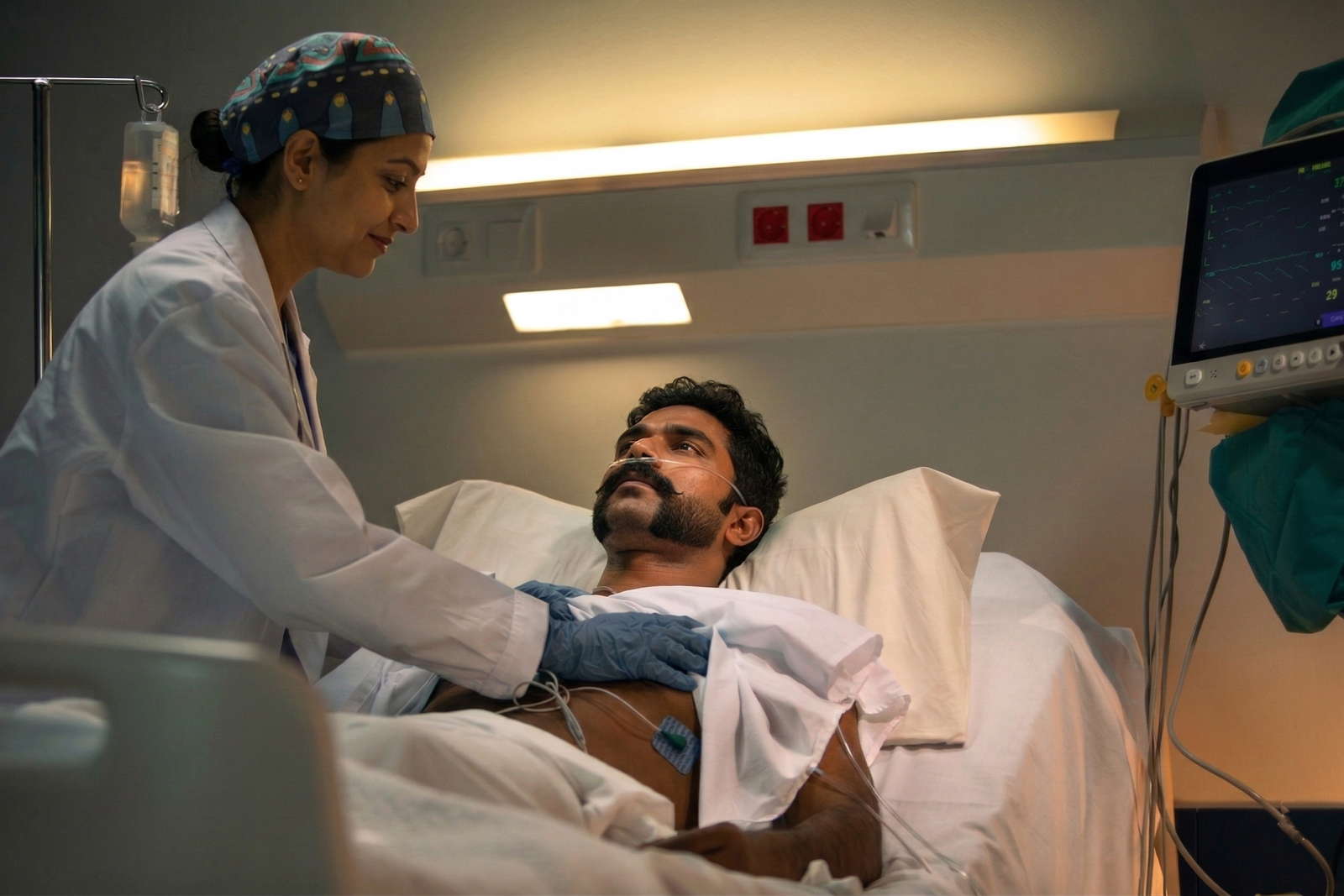
Advanced GI cancer care focuses on diagnosing and treating cancers that affect the gastrointestinal system. This includes cancers of the stomach, colon, rectum, pancreas, liver, and other digestive organs. When these cancers are diagnosed at a later stage, they may require more complex treatment plans. However, with proper medical care and modern treatment methods, many patients can still achieve better outcomes and improved quality of life.
Gastrointestinal cancers often develop slowly and may not show symptoms in the early stages. Because of this, many patients are diagnosed when the disease has progressed. Proper advanced GI cancer care involves detailed diagnosis, expert evaluation, and a combination of treatment approaches designed to control the disease and improve survival.
In cities like Vadodara, access to experienced surgeons and specialists plays an important role in ensuring patients receive timely and effective treatment.
Common Types of Gastrointestinal Cancers
Gastrointestinal cancers affect different organs within the digestive system. Each type of cancer requires a specific treatment approach depending on the stage and location of the disease.
Stomach Cancer
Stomach cancer develops in the lining of the stomach and may grow slowly over time. Symptoms may include persistent indigestion, abdominal pain, unexplained weight loss, and loss of appetite. Early detection improves the chances of successful stomach cancer treatment, especially when surgery can remove the affected tissue.
Colorectal Cancer
Colon cancer is one of the most common gastrointestinal cancers. It begins in the large intestine and often develops from small growths known as “polyps.” Symptoms may include blood in stool, changes in bowel habits, fatigue, and abdominal discomfort.
Early diagnosis plays a key role in successful colon cancer treatment. When detected early, surgery and other therapies can effectively remove the cancer and prevent further spread.
Other GI Cancers
Other cancers that fall under gastrointestinal cancer include pancreatic cancer, liver cancer, and cancers of the small intestine. Each of these conditions requires proper diagnosis and specialized care as part of comprehensive gastrointestinal cancer treatment.
Symptoms That Should Not Be Ignored
Many gastrointestinal cancers develop silently and show symptoms only in later stages. Recognizing warning signs early can help patients seek medical attention sooner.
Common symptoms of GI cancers include the following:
- Persistent abdominal pain
- Unexplained weight loss
- Blood in stool or dark-colored stool
- Difficulty swallowing
- Frequent vomiting or nausea
- Loss of appetite
- Fatigue and weakness
If these symptoms continue for several weeks, a medical evaluation is important. A qualified GI cancer specialist can perform appropriate tests to identify the underlying cause and begin timely treatment.
Diagnosis and Screening for GI Cancer
Accurate diagnosis is the first step in providing effective advanced GI cancer care. Doctors may recommend several diagnostic procedures to detect and evaluate gastrointestinal cancers.
Endoscopy and Colonoscopy
Endoscopy and colonoscopy allow doctors to examine the digestive tract using a thin, flexible camera. These procedures help identify abnormal growths, inflammation, or suspicious tissues. Colonoscopy is particularly important for early detection of colon cancer and precancerous polyps.
Imaging Tests
Imaging techniques such as CT scans, MRI scans, and ultrasound help determine the size of the tumor and whether it has spread to nearby organs or lymph nodes. These scans provide important information that guides treatment planning.
Biopsy
A biopsy involves collecting a small tissue sample from the suspicious area. The sample is examined under a microscope to confirm the presence of cancer cells. Biopsy results help doctors determine the most appropriate gastrointestinal cancer treatment plan.
Treatment Options for Advanced GI Cancer
Treatment for gastrointestinal cancer depends on the type of cancer, its stage, and the overall health of the patient. Modern advanced GI cancer care often involves a combination of treatments to achieve the best results.
Surgical Treatment
Surgery is one of the most effective methods for removing cancer from the digestive system. In many cases, surgical procedures are used as part of stomach cancer treatment or colon cancer treatment to remove the tumor along with surrounding affected tissues.
Advanced surgical techniques can help reduce complications and support faster recovery.
Chemotherapy
Chemotherapy uses specialized medicines to destroy cancer cells or stop them from growing. It may be used before surgery to shrink the tumor or after surgery to eliminate remaining cancer cells.
Chemotherapy is often recommended for patients who require comprehensive advanced colon cancer care or treatment for other advanced gastrointestinal cancers.
Targeted Therapy and Immunotherapy
Modern cancer treatment may also include targeted therapy and immunotherapy. These treatments work by attacking specific cancer cells or strengthening the immune system to fight cancer.
These therapies are increasingly used as part of advanced gastrointestinal cancer treatment for patients with complex or late-stage cancers.
Importance of a Multidisciplinary Cancer Care Approach
Managing gastrointestinal cancer often requires collaboration between multiple medical specialists. A multidisciplinary team may include surgeons, oncologists, gastroenterologists, radiologists, and nutrition experts.
This team-based approach ensures that patients receive personalized advanced GI cancer care that addresses all aspects of their condition. From diagnosis to treatment and recovery, coordinated care improves treatment outcomes and patient safety.
Patients also benefit from regular follow-up appointments, monitoring, and supportive care during and after treatment.
Role of a GI Cancer Specialist in Treatment Success
A qualified GI cancer specialist plays an important role in diagnosing and managing gastrointestinal cancers. Specialists have experience in handling complex cases and can recommend the most suitable treatment options based on the patient’s condition.
They guide patients through every stage of treatment, including diagnosis, surgery, therapy planning, and long-term monitoring. Access to experienced specialists improves the chances of successful treatment and better recovery.
Importance of Early Detection and Regular Screening
Early detection remains one of the most effective ways to improve survival rates in gastrointestinal cancers. Regular screening tests, such as colonoscopy, can help detect early-stage cancers or precancerous growths before they become dangerous.
People with a family history of digestive cancers, long-term digestive problems, or who are aged 45 or older should consider routine screening. Timely screening helps ensure early colon cancer treatment and reduces the risk of developing advanced disease.
Preventive care and awareness are key steps in reducing the burden of gastrointestinal cancers.
Building Awareness About GI Cancer Care in Vadodara
Gastrointestinal cancers continue to affect many individuals every year. However, increasing awareness about symptoms, screening, and treatment options can help improve survival outcomes.
Hospitals and surgical centers in Vadodara provide access to modern, advanced colon cancer care and specialized stomach cancer treatment options. With improved diagnostic technologies and experienced surgeons, patients can receive effective treatment close to home.
Seeking timely consultation and following recommended treatment plans can make a significant difference in managing gastrointestinal cancers successfully.