
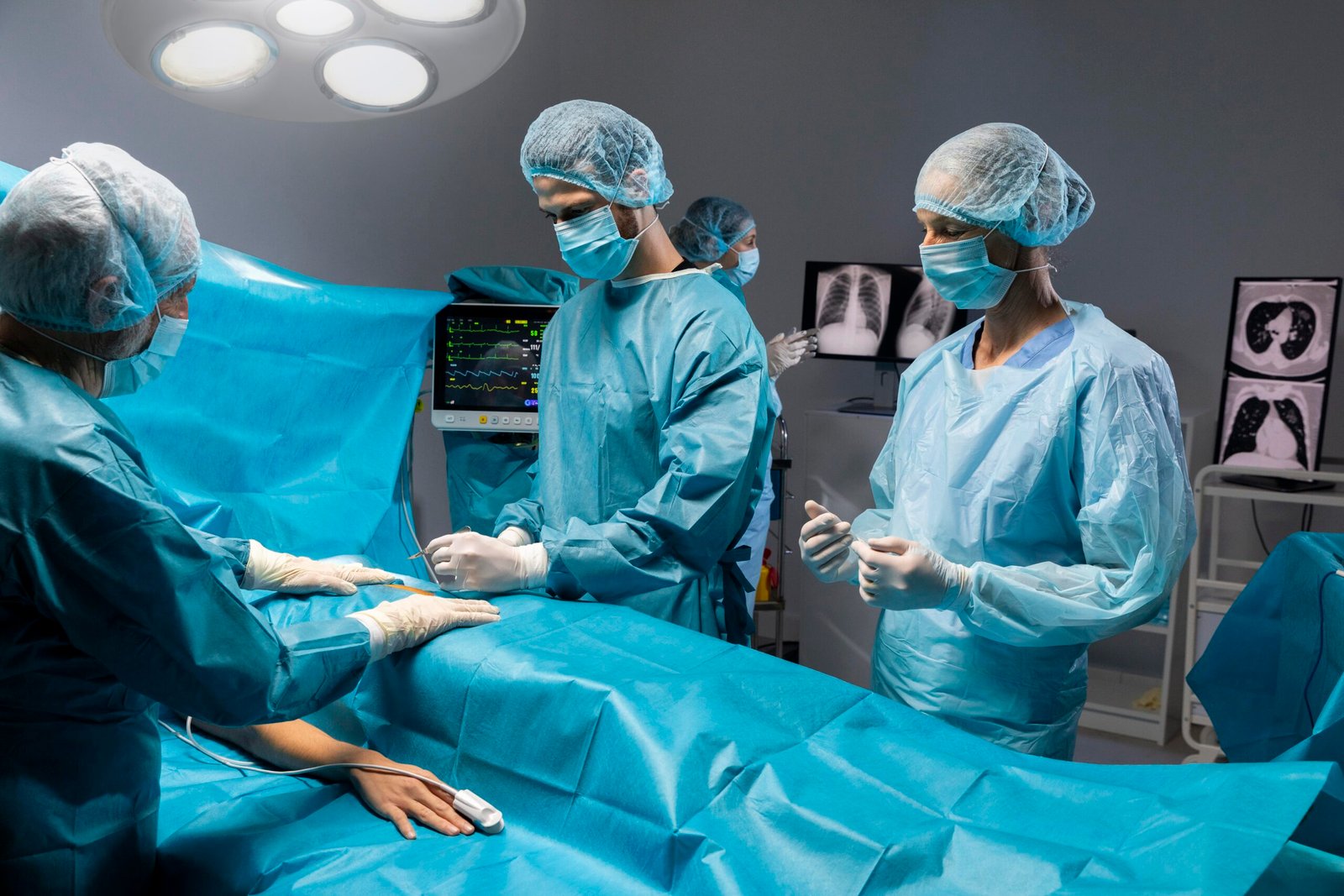
Abdominal problems such as gallstones, appendicitis, hernias, and intestinal issues can affect daily life and cause severe discomfort if not treated on time. In many cases, medical treatment alone may not be enough, and surgical care becomes necessary. Modern general surgery procedures now focus on safe, minimally invasive techniques that help patients recover faster and return to normal activities quickly.
Today, many abdominal conditions can be treated through laparoscopy for abdominal issues, which is a minimally invasive surgical method that uses small incisions and specialized instruments. This approach has improved outcomes and reduced hospital stays for many patients. Understanding different general surgery procedures and when they are required can help patients make informed decisions about their treatment.
Understanding General Surgery Procedures for Abdominal Conditions
General surgery procedures involve the surgical treatment of conditions affecting the abdomen, digestive system, gallbladder, appendix, hernia, and other organs. These procedures are performed by a trained general surgery specialist who evaluates the patient’s condition and decides the most appropriate treatment.
Common abdominal problems that may require general surgery treatment include:
- Gallbladder stones are causing pain and infection
- Appendicitis requires immediate surgical removal
- Hernia affecting the abdominal wall
- Intestinal obstruction
- Abscess or infections inside the abdomen
Early diagnosis and timely general surgery procedures can prevent complications and improve long-term health outcomes.
What Is Laparoscopy for Abdominal Issues
Laparoscopy for abdominal issues is a modern surgical technique where the surgeon performs the procedure through small incisions using a camera called a laparoscope. The camera sends images to a monitor, allowing the surgeon to operate with precision.
Compared to traditional open surgery, laparoscopy offers several advantages.
Benefits of laparoscopic surgery include the following:
- Smaller surgical cuts
- Less pain after surgery
- Faster recovery time
- Lower risk of infection
- Shorter hospital stay
Because of these advantages, many abdominal conditions are now treated using laparoscopy for abdominal issues whenever possible.
Laparoscopic Surgery for Gallbladder Problems
Gallbladder stones are one of the most common reasons patients need surgery. When stones block the bile duct or cause inflammation, doctors often recommend laparoscopic surgery for gallbladder removal.
This procedure is called a laparoscopic cholecystectomy and is considered the standard treatment for gallbladder stones.
During laparoscopic surgery for the gallbladder, the surgeon removes the gallbladder through small incisions in the abdomen. The procedure usually takes less time compared to traditional surgery, and patients often return home within a day or two.
Symptoms that may require gallbladder surgery include
- Severe pain in the upper abdomen
- Nausea and vomiting after meals
- Indigestion and bloating
- Fever with abdominal pain
A skilled laparoscopic surgery specialist evaluates these symptoms and confirms the diagnosis using ultrasound or other imaging tests before recommending surgery.
Other Common General Surgery Procedures for Abdominal Health
Apart from gallbladder surgery, many other conditions are treated through general surgery procedures.
Appendicitis Surgery
Appendicitis is an infection of the appendix that requires urgent surgery. Laparoscopic appendectomy is commonly performed as part of modern general surgery treatment to remove the infected appendix safely.
Hernia Repair Surgery
A hernia occurs when an internal organ pushes through a weak area of the abdominal wall. Hernia repair can be done using laparoscopic techniques by a trained general surgery specialist, reducing recovery time.
Intestinal Surgery
Certain conditions, such as intestinal blockage, tumors, or severe infections, may require surgical intervention. Depending on the condition, doctors may recommend open surgery or laparoscopy for abdominal issues.
Abscess Drainage and Infection Treatment
Abdominal infections or abscesses sometimes require surgical drainage. These are also managed as part of general surgery procedures to prevent the spread of infection.
When Should You Consult a Laparoscopic Surgery Specialist
Many patients delay treatment because they assume surgery is complicated or requires a long recovery. However, modern general surgery treatment with laparoscopic techniques has made surgical care safer and more comfortable.
You should consult a laparoscopic surgery specialist if you experience the following:
- Persistent abdominal pain
- Repeated digestive problems
- Sudden severe pain in the abdomen
- Symptoms of gallstones
- Swelling or a lump in the abdomen or groin
Early consultation helps identify the condition and determine whether laparoscopy for abdominal issues or other general surgery procedures are required.
Diagnosis and Preparation Before Surgery
Before recommending general surgery procedures, doctors perform several diagnostic tests to confirm the condition. These may include:
- Ultrasound of the abdomen
- Blood tests
- CT scan or MRI if required
- Physical examination by a general surgery specialist
Proper diagnosis ensures that the patient receives the most suitable general surgery treatment.
Patients are also guided about pre-surgery preparation, including diet instructions, medication adjustments, and recovery planning.
Recovery After Laparoscopic Surgery
Recovery after laparoscopic procedures is usually faster compared to traditional surgery. Most patients can resume light activities within a few days.
Common recovery guidelines include:
- Walking early to improve circulation
- Following the recommended diet plan
- Taking prescribed medications
- Attending follow-up visits with the general surgery specialist
Patients undergoing laparoscopic surgery for gallbladder or other procedures often return to normal life within one to two weeks, depending on the individual condition.
Importance of Choosing an Experienced Surgical Team
Successful outcomes in general surgery procedures depend on the expertise of the surgeon, accurate diagnosis, and proper postoperative care. A trained laparoscopic surgery specialist uses modern surgical techniques and advanced equipment to ensure patient safety and effective treatment.
Experienced surgical care also helps reduce complications and ensures better long-term recovery for patients dealing with abdominal conditions.
Conclusion
Abdominal health problems such as gallstones, appendicitis, hernias, and intestinal disorders often require timely surgical care. Modern general surgery procedures and advanced techniques like laparoscopy for abdominal issues have made treatment safer, less painful, and more effective.
Procedures such as laparoscopic surgery for the gallbladder allow patients to recover faster while reducing the risks associated with traditional surgery. Consulting a qualified general surgery specialist ensures accurate diagnosis and the most appropriate treatment for abdominal conditions.
Early medical attention and the right general surgery treatment can help prevent complications and support long-term digestive health.