
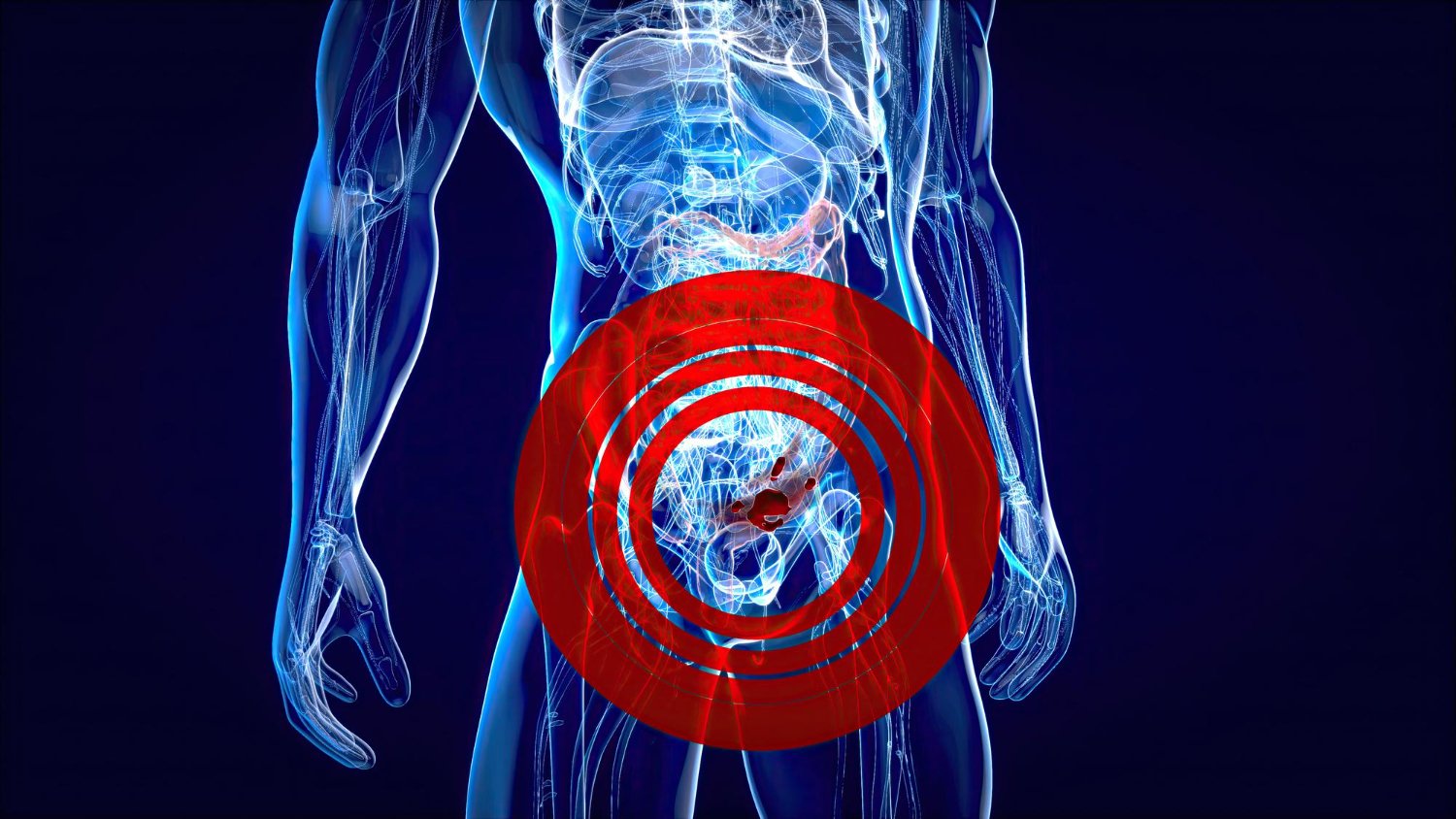
Hemorrhoids are a very common digestive health problem that affects many adults at some point in life. They develop when the veins around the lower rectum or anus become swollen due to increased pressure. While mild cases may improve with simple lifestyle changes, persistent or severe cases often require proper medical care and sometimes surgery.
Timely hemorrhoid treatment helps relieve pain, reduce swelling, and prevent complications such as bleeding or infection. With modern medical techniques and early diagnosis, most patients can get safe and lasting relief.
This article explains the causes, symptoms, diagnosis, and treatment options for hemorrhoids and when surgical hemorrhoid removal may be required.
Understanding Hemorrhoids and Why They Occur
Hemorrhoids are swollen veins in the rectum or anus. They are similar to varicose veins that develop in the legs. These veins enlarge when there is continuous pressure during bowel movements or prolonged strain in the rectal area.
Hemorrhoids are usually classified into two types:
Internal hemorrhoids
These develop inside the rectum and may not cause pain initially. However, they can lead to bleeding during bowel movements.
External hemorrhoids
These occur under the skin around the anus and can cause pain, swelling, and irritation.
Several lifestyle and health factors can increase the risk of developing hemorrhoids. Common causes include chronic constipation, prolonged sitting, straining during bowel movements, obesity, and pregnancy.
Understanding the causes helps doctors recommend the most effective hemorrhoid treatment based on the severity of the condition.
Common Symptoms That Should Not Be Ignored
Many people ignore early symptoms of hemorrhoids, assuming they will disappear on their own. However, untreated hemorrhoids can worsen over time and may lead to complications.
Common symptoms include
- Bleeding during bowel movements
- Pain or discomfort in the anal region
- Itching or irritation around the anus
- Swelling or lumps near the anal opening
- Mucus discharge after bowel movements
Persistent bleeding or severe pain should always be evaluated by a hemorrhoid specialist. Early medical attention ensures accurate diagnosis and timely treatment.
Diagnosis and Evaluation of Hemorrhoids
Diagnosis of hemorrhoids usually begins with a detailed medical history and physical examination. Doctors check the anal area for swelling, lumps, or inflammation.
In some cases, additional tests may be recommended to rule out other digestive conditions.
One commonly recommended test is a colonoscopy for digestive problems. This procedure allows doctors to examine the colon and rectum using a flexible camera tube. It helps detect conditions such as polyps, inflammation, or colorectal disease that may cause similar symptoms.
Advanced diagnostic methods support accurate gastrointestinal treatment and ensure that the patient receives the correct care.
Non-Surgical Hemorrhoid Treatment Options
Many mild to moderate hemorrhoids can be treated without surgery. Lifestyle changes and medical therapies are often effective in reducing symptoms and preventing recurrence.
Common non-surgical treatments include
Dietary changes
Increasing fiber intake through fruits, vegetables, and whole grains helps soften stools and reduce strain during bowel movements.
Hydration
Drinking enough water supports healthy digestion and prevents constipation.
Medications
Doctors may prescribe creams, ointments, or oral medicines to reduce swelling, itching, and pain.
Minimally invasive procedures
Certain procedures, such as rubber band ligation or infrared coagulation, can shrink hemorrhoids by cutting off their blood supply.
These approaches are often recommended by a hemorrhoid specialist before considering surgery.
When Surgical Hemorrhoid Removal Becomes Necessary
Surgery is usually recommended when hemorrhoids become large, painful, or recurrent despite conservative treatment.
Surgical hemorrhoid removal may be required in cases where
- Hemorrhoids cause frequent bleeding
- There is severe pain or swelling
- Large hemorrhoids protrude outside the anus
- Other treatments have failed to provide relief
The surgical procedure is known as hemorrhoidectomy. During the surgery, the swollen veins are removed to eliminate the source of discomfort.
Modern surgical techniques allow the precise removal of hemorrhoids with improved safety and faster recovery. In many cases, the procedure is performed under local or spinal anesthesia.
Patients undergoing surgical hemorrhoid removal often experience long-term relief from symptoms.
Recovery and Post-Treatment Care
Recovery after hemorrhoid treatment depends on the severity of the condition and the type of procedure performed.
Doctors usually recommend several steps to ensure smooth healing
- Maintaining a high-fiber diet
- Drinking plenty of fluids
- Avoiding prolonged sitting or straining
- Following prescribed medications
- Practicing proper hygiene in the anal area
Most patients can return to normal activities within a few days after minimally invasive procedures. Recovery from surgical treatment may take a little longer, but usually leads to permanent relief.
Regular follow-up with a hemorrhoid specialist helps monitor healing and prevent recurrence.
Preventing Hemorrhoids Through Healthy Habits
Prevention plays an important role in maintaining long-term digestive health. Adopting simple lifestyle habits can significantly reduce the risk of hemorrhoids.
Helpful preventive measures include
- Eating a fiber-rich diet
- Staying physically active
- Drinking enough water daily
- Avoiding prolonged sitting
- Responding to the urge for bowel movement without delay
These habits support healthy digestion and reduce pressure on rectal veins. Preventive care also supports overall gastrointestinal treatment goals for long-term digestive wellness.
Importance of Expert Care for Hemorrhoid Treatment
Although hemorrhoids are common, they should not be ignored. Symptoms such as bleeding or severe pain can sometimes indicate other digestive conditions that require evaluation.
Consulting an experienced specialist ensures proper diagnosis and the right treatment plan. Advanced diagnostic tools, including colonoscopy for digestive problems, help identify the exact cause of symptoms.
Expert general surgery treatment options provide both non-surgical and surgical solutions for hemorrhoids, allowing patients to receive personalized care.
Safe and Effective Hemorrhoid Treatment for Lasting Relief
Hemorrhoids can cause discomfort, pain, and disruption in daily life if left untreated. Early consultation with a hemorrhoid specialist helps identify the condition at an early stage and prevents complications.
Modern hemorrhoid treatment methods offer safe and effective solutions ranging from lifestyle management to surgical hemorrhoid removal for severe cases.
With proper medical guidance, accurate diagnosis, and timely general surgery treatment, patients can achieve lasting relief and improved digestive health.