The liver is one of the most important organs in the human body. It helps remove toxins from the blood, supports digestion, and regulates many essential body functions. When the liver becomes unhealthy, it can lead to serious conditions such as jaundice and other liver disorders.
Many people ignore early symptoms of liver problems until the condition becomes severe. Understanding jaundice symptoms, causes, and liver disease treatment options can help in early diagnosis and better recovery. With timely medical support and the right liver disease treatment, patients can protect long-term liver health and avoid complications.
Understanding Jaundice and Its Connection With Liver Health
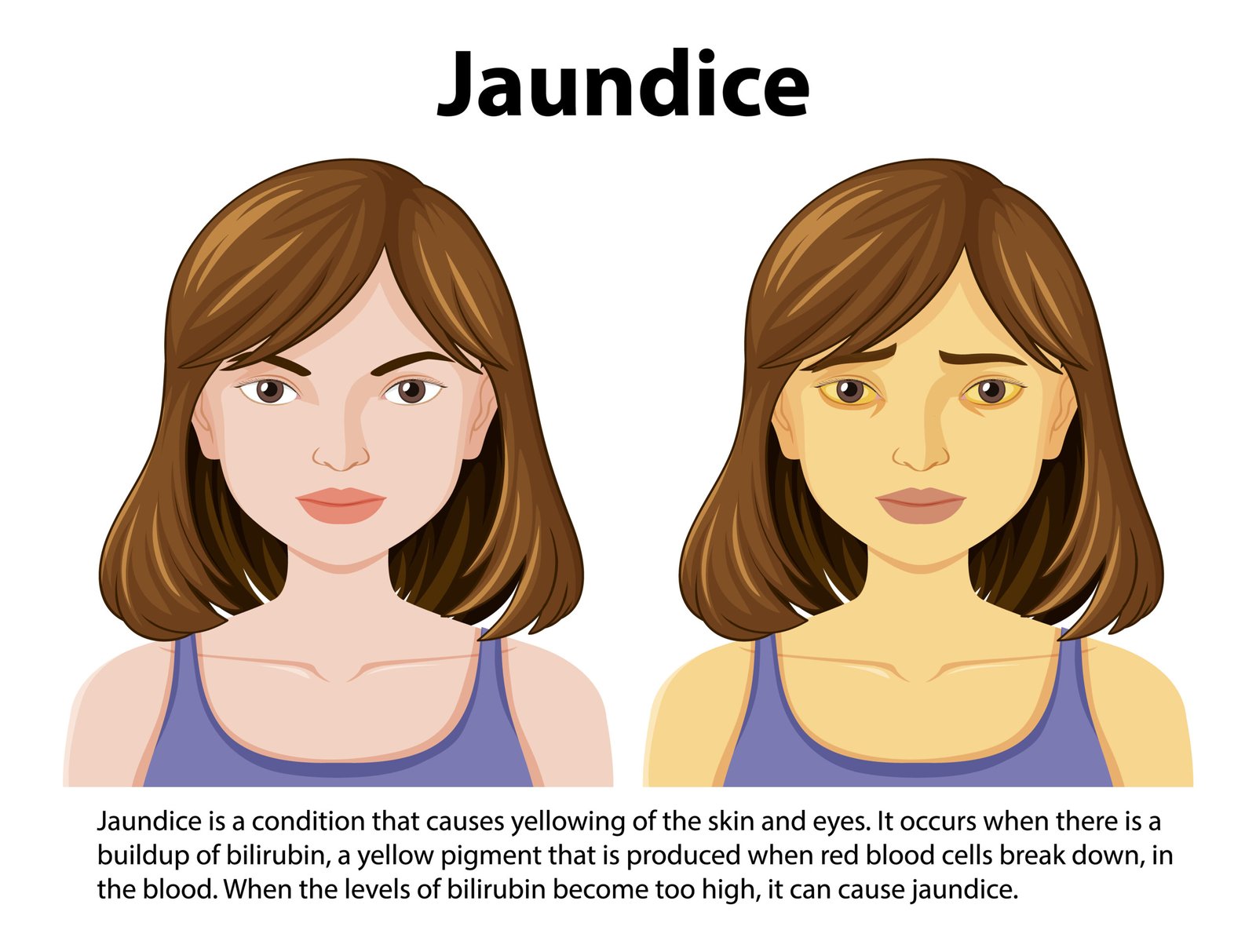
Jaundice is a medical condition that causes yellowing of the skin and eyes. It occurs when bilirubin levels in the blood increase due to problems with liver function. Bilirubin is a yellow pigment produced when red blood cells break down. Normally, the liver processes bilirubin and removes it from the body.
When the liver is damaged or unable to function properly, bilirubin builds up in the bloodstream and causes jaundice.
Common causes of jaundice include the following:
- Liver infections such as hepatitis
- Liver cirrhosis or long-term liver damage
- Bile duct blockage
- Alcohol-related liver disease
- Certain medications
- Gallstones or bile duct problems
The proper jaundice causes and treatment depend on identifying the underlying liver condition and addressing it through medical care.
Common Jaundice Symptoms That Should Not Be Ignored
Recognizing early symptoms helps in quick diagnosis and effective jaundice treatment. Many patients initially notice changes in their skin or eye color, but other symptoms may also appear.
Common jaundice symptoms include the following:
- Yellowing of the skin and eyes
- Dark-colored urine
- Pale or clay-colored stools
- Fatigue and weakness
- Loss of appetite
- Nausea or vomiting
- Abdominal pain, especially in the upper right side
- Itchy skin
If these symptoms appear and persist for several days, medical attention is important. Early jaundice diagnosis and treatment help prevent worsening liver damage and support faster recovery.
How Doctors Diagnose Jaundice and Liver Conditions
Accurate jaundice diagnosis and treatment begin with a detailed medical evaluation. Doctors usually recommend several diagnostic tests to understand the condition of the liver and determine the cause of jaundice.
Common diagnostic methods include
Blood tests
These tests measure bilirubin levels and evaluate liver function.
Ultrasound scan
Ultrasound imaging helps identify liver swelling, gallstones, or bile duct obstruction.
CT scan or MRI
Advanced imaging may be recommended to detect structural problems in the liver.
Liver biopsy
In some cases, doctors examine a small sample of liver tissue to identify liver disease.
Early testing allows doctors to recommend the most suitable liver disease treatment and prevent complications.
Severe Jaundice Treatment for Advanced Liver Conditions
When jaundice becomes severe, immediate medical care is required. Severe jaundice treatment focuses on treating the underlying cause and restoring normal liver function.
Treatment options may include the following:
Medication therapy
Doctors may prescribe medicines to treat infections, inflammation, or viral hepatitis affecting the liver.
Endoscopic procedures
If bile ducts are blocked by stones or other obstructions, procedures can help remove the blockage and restore bile flow.
Hospital care and monitoring
Severe jaundice cases may require hospital admission for monitoring liver function and preventing complications.
Nutritional and supportive care
A balanced diet and proper hydration help the liver recover and improve overall health.
Prompt, severe jaundice treatment plays a major role in preventing permanent liver damage.
Liver Disease Treatment Options for Long-Term Health
Effective liver disease treatment depends on the type and severity of the liver condition. Treatment focuses on improving liver function, controlling symptoms, and preventing further damage.
Common liver disease treatment approaches include
Lifestyle and dietary changes
Patients are often advised to
- Reduce alcohol intake
- Follow a balanced and low-fat diet
- Maintain a healthy body weight
- Stay hydrated
- Avoid unnecessary medications
Medical management
Doctors may prescribe medicines to treat liver infections, inflammation, or metabolic liver conditions.
Endoscopic and minimally invasive procedures
Some liver and bile duct problems require medical procedures to remove obstructions or repair bile flow.
Surgical treatment
In certain cases, such as advanced liver disease, tumours, or severe bile duct problems, surgical intervention may be required.
Early liver disease consultation helps patients understand the right treatment options and prevent the progression of liver damage.
When to Seek Liver Disease Consultation
Many liver problems develop slowly and remain unnoticed for months or even years. Seeking a timely liver disease consultation is important when symptoms appear or when risk factors are present.
You should consider a medical consultation if you experience
- Persistent yellowing of eyes or skin
- Continuous fatigue or weakness
- Abdominal swelling or discomfort
- Sudden weight loss or appetite changes
- Dark urine or pale stool
- Long-term alcohol consumption
- Family history of liver disease
A professional liver disease consultation helps detect problems early and guides patients toward proper jaundice causes and treatment before complications develop.
Preventing Jaundice and Protecting Liver Health
Maintaining liver health plays an important role in preventing jaundice and other serious conditions. Healthy lifestyle habits can reduce the risk of liver damage and support overall well-being.
Important prevention tips include the following:
- Avoid excessive alcohol consumption
- Follow a healthy and balanced diet
- Maintain good hygiene to prevent infections
- Get vaccinated against hepatitis when recommended
- Exercise regularly to maintain a healthy body weight
- Avoid self-medication and unnecessary drug use
Regular medical checkups also support early detection and timely jaundice diagnosis and treatment.
Importance of Early Liver Care for Long-Term Health
The liver performs hundreds of essential functions in the body, making its health extremely important. Ignoring symptoms such as jaundice can lead to serious complications, including chronic liver disease and liver failure.
Understanding jaundice symptoms, causes, and liver disease treatment options helps patients take timely action. Early liver disease treatment, proper diagnosis, and expert liver disease consultation can significantly improve recovery outcomes and support long-term liver health.
Medical evaluation, accurate diagnosis, and appropriate treatment play a key role in managing jaundice and protecting the liver from long term damage.