
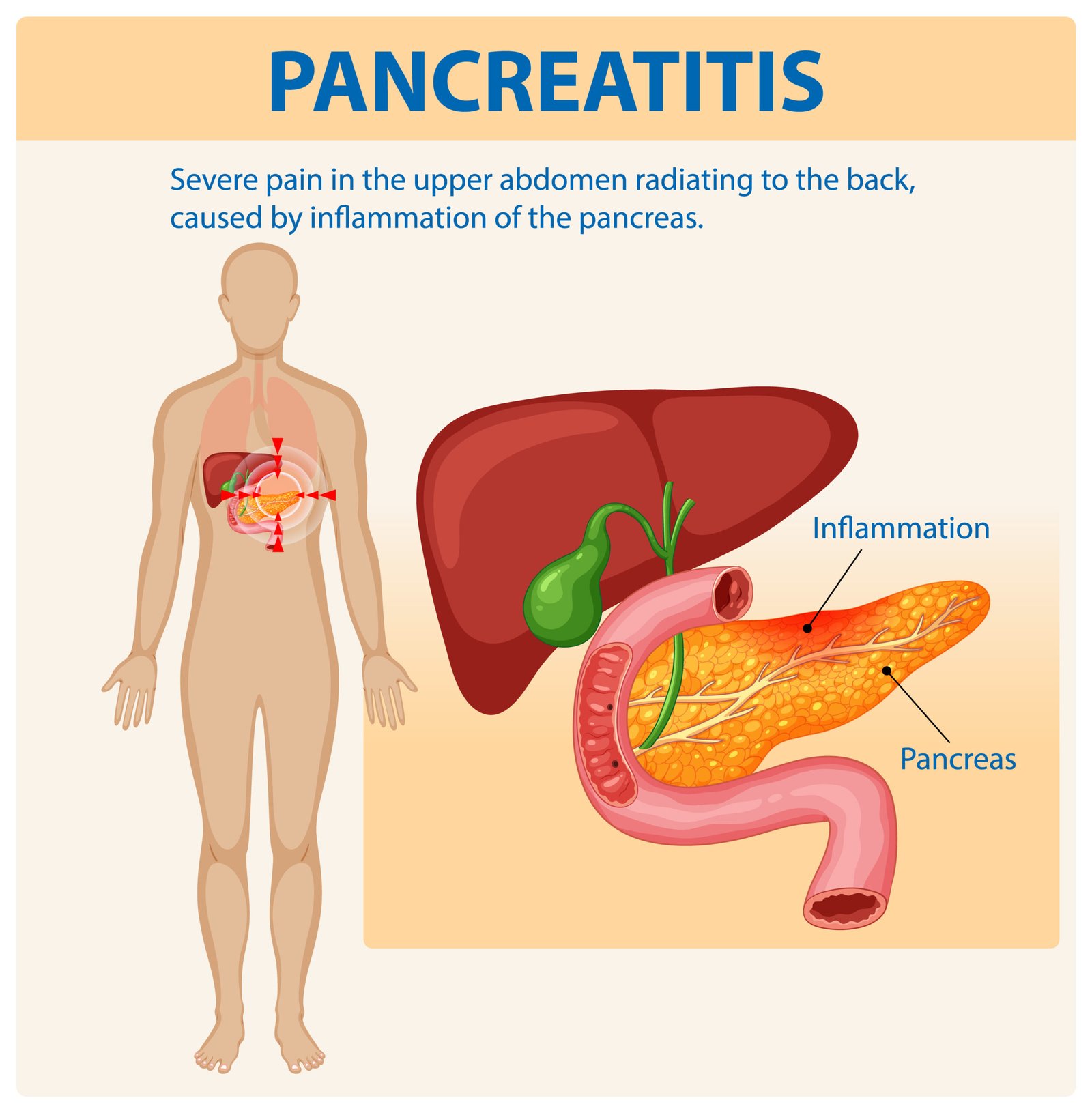
Pancreatic diseases are serious health conditions that need early attention and proper medical care. The pancreas is an important organ located behind the stomach. It helps in digestion and controls blood sugar levels. When the pancreas does not work properly, it can affect the entire digestive system and overall health.
Understanding pancreatic disease symptoms, diagnosis methods, and available pancreatic disease treatment options can help patients take timely action. Desai Surgical in Vadodara focuses on advanced care for digestive and pancreatic conditions with patient safety and accurate diagnosis as priorities.
What Is Pancreatic Disease
Pancreatic disease includes conditions that affect the pancreas, such as pancreatitis, pancreatic cysts, and pancreatic cancer. Some problems are mild and temporary, while others may become chronic or life-threatening.
Two common types of pancreatitis are acute pancreatitis and chronic pancreatitis. Acute pancreatitis happens suddenly and may require hospital care. Chronic pancreatitis develops slowly and can cause long-term damage to the pancreas.
In some cases, pancreatic disease may be linked with gastrointestinal cancer treatment needs, especially if there is suspicion of cancer spreading to nearby organs.
Common Pancreatic Disease Symptoms
Early symptoms are often ignored because they may look like common stomach problems. However, persistent symptoms should not be neglected.
Common signs include:
- Severe upper abdominal pain that may spread to the back
- Nausea and vomiting
- Loss of appetite
- Unexplained weight loss
- Indigestion and bloating
- Jaundice, which causes yellowing ofthe skin and eyes
- Oily or greasy stools
Chronic pancreatitis may also lead to diabetes because the pancreas cannot produce enough insulin. Patients who notice these signs should consult a gastroenterologist for pancreatic disorders for proper evaluation.
Early detection improves the success of pancreatic disease treatment and reduces complications.
Causes and Risk Factors
Several factors can increase the risk of pancreatic disorders:
- Long-term alcohol consumption
- Smoking
- Gallstones
- High triglyceride levels
- Family history of pancreatic disease
- Obesity
In some patients, chronic inflammation of the pancreas may increase the risk of cancer. In such cases, consultation with a pancreatic cancer specialist becomes important for further testing and management.
How Pancreatic Disease Is Diagnosed
Accurate diagnosis is the first step towards effective pancreatic disorder treatment. Doctors use a combination of clinical examination, blood tests, and imaging studies.
Common diagnostic methods include:
- Blood tests to check enzyme levels
- Ultrasound abdomen
- CT scan
- MRI scan
- Endoscopic ultrasound
- Biopsy if cancer is suspected
If there is concern about cancer, doctors may also evaluate the stomach and nearby organs. This may connect with gastrointestinal cancer treatment or even stomach cancer treatment, depending on findings.
Early and precise diagnosis helps doctors plan the best pancreatic disease treatment according to the stage and severity of the condition.
Chronic Pancreatitis Treatment Options
Chronic pancreatitis treatment focuses on relieving pain, improving digestion, and preventing further damage. The approach depends on the severity of the disease.
Treatment options may include:
- Pain management with prescribed medicines
- Pancreatic enzyme supplements to help digestion
- Insulin therapy if diabetes develops
- Lifestyle changes such as avoiding alcohol and smoking
- Nutritional support
In severe cases, surgical procedures may be required. Chronic pancreatitis treatment through surgery aims to remove blocked ducts or damaged parts of the pancreas. Proper follow-up care is essential to prevent recurrence.
Repeated inflammation without treatment can lead to serious complications. Therefore, early medical care improves long-term outcomes.
Pancreatic Cancer and Advanced Treatment
Pancreatic cancer is one of the serious forms of pancreatic disease. Symptoms often appear late, which makes early screening important for high-risk patients.
Treatment depends on the stage of cancer. Options may include:
- Surgery
- Chemotherapy
- Radiation therapy
- Targeted therapy
Surgery is often considered when the tumor is detected at an early stage. Various cancer surgery procedures are performed to remove the affected part of the pancreas. In some cases, nearby organs may also be involved.
A pancreatic cancer specialist carefully evaluates each case and plans treatment based on clinical guidelines and the patient health condition.
Sometimes pancreatic cancer may be associated with other digestive cancers. In such situations, gastrointestinal cancer treatment or stomach cancer treatment may also be required as part of a combined care plan.
Surgical Care for Pancreatic Disorders
Surgery plays an important role in advanced pancreatic disorders. It may be needed for chronic pancreatitis, pancreatic cysts, or cancer.
Common cancer surgery procedures related to the pancreas include:
- Whipple procedure
- Distal pancreatectomy
- Total pancreatectomy
The Whipple procedure is one of the major operations performed for pancreatic head cancer. It involves removal of part of the pancreas along with nearby structures.
Advanced surgical techniques and proper postoperative care help reduce complications and improve recovery. Choosing an experienced gastroenterologist for pancreatic disorders ensures better evaluation and treatment planning.
Importance of Early Consultation
Many patients delay medical advice because symptoms look mild in the beginning. However, ignoring abdominal pain and digestive issues can lead to serious complications.
Early consultation helps in:
- Timely pancreatic disease treatment
- Prevention of permanent damage
- Better control of chronic pancreatitis treatment
- Early detection of cancer
- Improved survival rates
Regular health checkups are recommended for patients with a family history or long-standing digestive issues.
Why Choose Desai Surgical in Vadodara for Pancreatic Care
Desai Surgical in Vadodara provides comprehensive evaluation and treatment for complex digestive conditions. The focus is on accurate diagnosis, evidence based pancreatic disorder treatment, and patient centered care.
With access to modern diagnostic tools and experienced specialists, patients receive structured treatment plans for chronic pancreatitis treatment, pancreatic cancer, and other related conditions. Coordination with experts in gastrointestinal cancer treatment and stomach cancer treatment ensures complete care when multiple organs are involved.
Frequently Asked Questions About Pancreatic Disease
What is the best pancreatic disease treatment
The best pancreatic disease treatment depends on the cause and stage of the disease. It may include medicines, enzyme therapy, lifestyle changes, or surgery.
Is chronic pancreatitis curable
Chronic pancreatitis treatment controls symptoms and prevents further damage. Complete cure may not always be possible, but proper management improves quality of life.
When should I see a pancreatic cancer specialist
If you have persistent abdominal pain, unexplained weight loss, jaundice, or family history of pancreatic cancer, consult a specialist for proper screening.
Are cancer surgery procedures safe
Modern cancer surgery procedures are performed with advanced techniques and careful monitoring. Early diagnosis improves surgical outcomes.