
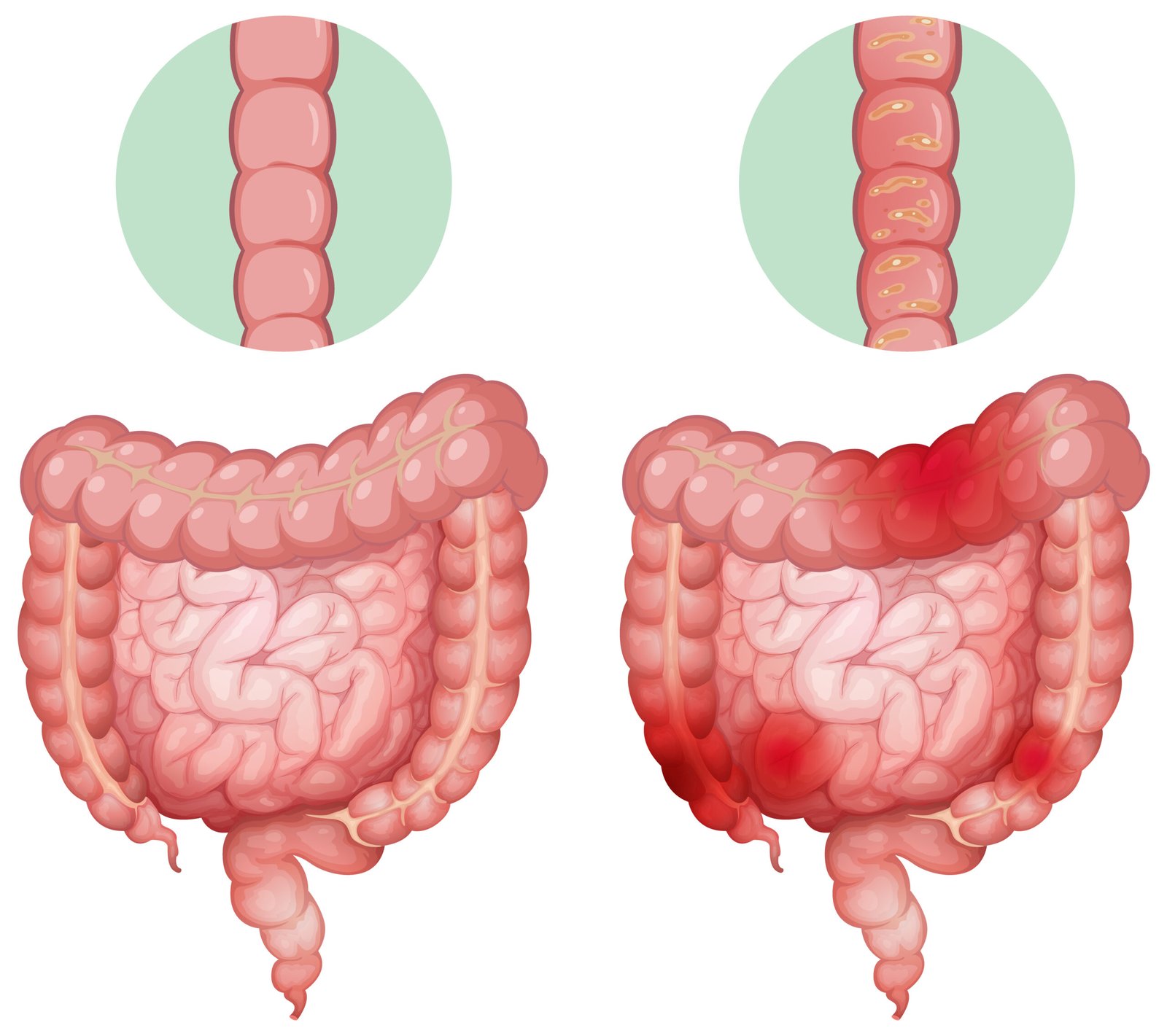
Ulcerative colitis is a long-term inflammatory bowel disease that affects the large intestine. It causes inflammation and ulcers in the inner lining of the colon and rectum. This condition can disturb daily life and may lead to serious complications if not treated on time.
Many patients in Vadodara look for proper ulcerative colitis treatment because the symptoms often return in phases. With guidance from an experienced ulcerative colitis specialist and the right medical care, patients can manage the condition and live a better quality of life.
What Is Ulcerative Colitis and Why Does It Happens
Ulcerative colitis is an autoimmune condition. This means the immune system mistakenly attacks the lining of the colon. The exact cause is not fully known, but common factors include:
- Genetic history
- Abnormal immune response
- Environmental triggers
- Severe infections
It is different from a simple stomach infection or chronic constipation. Ulcerative colitis requires long-term medical monitoring by a gastroenterologist for ulcerative colitis.
Common Symptoms That Affect Daily Routine
The symptoms can range from mild to severe. Some patients experience flare-ups, while others may have continuous discomfort.
Common symptoms include:
- Frequent loose motion with blood or mucus
- Abdominal pain and cramps
- Urgency to pass stool
- Fatigue and weakness
- Weight loss
- Loss of appetite
These symptoms can disturb office work, social gatherings, travel plans, and even sleep. Many patients feel anxious about leaving home due to sudden bowel urgency.
In severe cases, there may be complications such as severe bleeding or the risk of colon cancer. Early medical care helps reduce such risks.
How Ulcerative Colitis Impacts Mental and Emotional Health
Living with a chronic disease can affect emotional well-being. Patients may experience:
- Stress and anxiety
- Fear of flare-ups
- Social isolation
- Reduced confidence
Regular consultation with an ulcerative colitis specialist helps patients understand their condition better. When patients know how to manage symptoms, they feel more confident and less stressed.
Risk of Colon Cancer in Ulcerative Colitis
Long-standing ulcerative colitis increases the risk of colon cancer. Chronic inflammation in the colon can cause abnormal cell changes over time. That is why routine colonoscopy screening is very important.
If any suspicious growth is found, early colon cancer treatment can prevent serious complications. Consulting a GI cancer specialist becomes necessary in advanced cases.
Centers known as colon cancer treatment centers provide proper screening, diagnosis, and advanced management options under expert supervision.
Best Ulcerative Colitis Treatment Options
The goal of ulcerative colitis treatment is to reduce inflammation, control symptoms, and prevent complications. Treatment depends on the severity of the disease.
1. Medicines
Doctors may prescribe:
- Anti-inflammatory drugs
- Immunosuppressants
- Biologic therapy
- Steroids during flare-ups
These medicines help control inflammation and reduce symptoms.
2. Dietary Management
Certain foods may trigger flare-ups. Patients are advised to:
- Avoid spicy and oily food
- Reduce dairy if intolerant
- Eat small, frequent meals
- Stay hydrated
Diet control supports ulcerative colitis treatment and improves digestion.
3. Surgery When Needed
If medicines do not control symptoms or if there is severe bleeding or cancer risk, surgery may be advised. Surgical removal of the affected colon can provide long-term relief in severe cases.
Such procedures are performed under safe and advanced general surgery procedures by experienced surgeons. Timely surgery can prevent life-threatening complications.
Difference Between Ulcerative Colitis and Other Digestive Disorders
Many people confuse ulcerative colitis with common digestive issues. For example:
- Chronic constipation treatment focuses on improving bowel movement but does not involve colon inflammation.
- Simple infections improve with short-term medication.
- Irritable bowel syndrome does not cause ulcers or bleeding.
Proper diagnosis by a gastroenterologist for ulcerative colitis ensures the right treatment plan.
Importance of Early Diagnosis and Regular Follow-Up
Early diagnosis reduces complications. Doctors may recommend:
- Blood tests
- Stool tests
- Colonoscopy
- Biopsy
Regular follow-up helps monitor disease activity. It also helps detect early signs of colon cancer, making colon cancer treatment more effective if required.
Patients should not ignore symptoms like persistent bleeding, severe pain, or sudden weight loss. These require immediate medical attention.
Lifestyle Changes That Help Manage Ulcerative Colitis
Along with medical ulcerative colitis treatment, lifestyle care plays an important role.
- Practice stress management like yoga or meditation
- Maintain a healthy sleep routine
- Avoid smoking
- Exercise moderately
These changes support recovery and reduce flare-ups.
When to Consult an Ulcerative Colitis Specialist in Vadodara
You should consult an ulcerative colitis specialist if you experience:
- Blood in stool
- Continuous abdominal pain
- Recurrent diarrhea
- Family history of inflammatory bowel disease
A gastroenterologist for ulcerative colitis provides complete evaluation and long-term management guidance.
For patients with complications or cancer risk, consultation with a GI cancer specialist ensures advanced care. Access to a colon cancer treatment center also helps in early detection and proper intervention.
Expert Care for Ulcerative Colitis in Vadodara
Desai Surgical in Vadodara is known for providing comprehensive care for digestive disorders. The center focuses on accurate diagnosis, advanced ulcerative colitis treatment, and long-term follow-up.
With experienced doctors and support for general surgery procedures, patients receive safe and effective treatment options. Early screening for colon cancer treatment and guidance from a GI cancer specialist are also available when needed.
Conclusion
Ulcerative colitis is a serious but manageable condition. It can affect daily life, emotional health, and long-term colon health. However, with timely ulcerative colitis treatment, regular monitoring, and guidance from a qualified gastroenterologist for ulcerative colitis, patients can control symptoms and prevent complications.
If you or a family member is facing persistent digestive issues, consult an ulcerative colitis specialist in Vadodara for proper evaluation. Early care not only improves quality of life but also reduces the risk of colon cancer and major complications in the future.